Uganda's Sovereignty Bill: What It Means for Colorado Ugandans
Uganda's proposed Protection of Sovereignty Bill poses direct and personal consequences for Colorado Ugandans. The bill's broad definition of "foreigner" explicitly includes Ugandans living abroad, potentially classifying diaspora members as foreign agents subject to Cabinet-level approval before engaging in civic or political activity. Violations carry penalties of up to 20 years imprisonment and billions in fines. With Colorado Ugandans collectively contributing to Uganda's estimated $2.5 billion annual diaspora remittances, the bill threatens not only personal freedoms but also the financial lifelines sustaining families back home. For Colorado's Ugandan community, this legislation demands urgent attention and informed engagement.
By UUACO Media Team
4/14/20263 min read
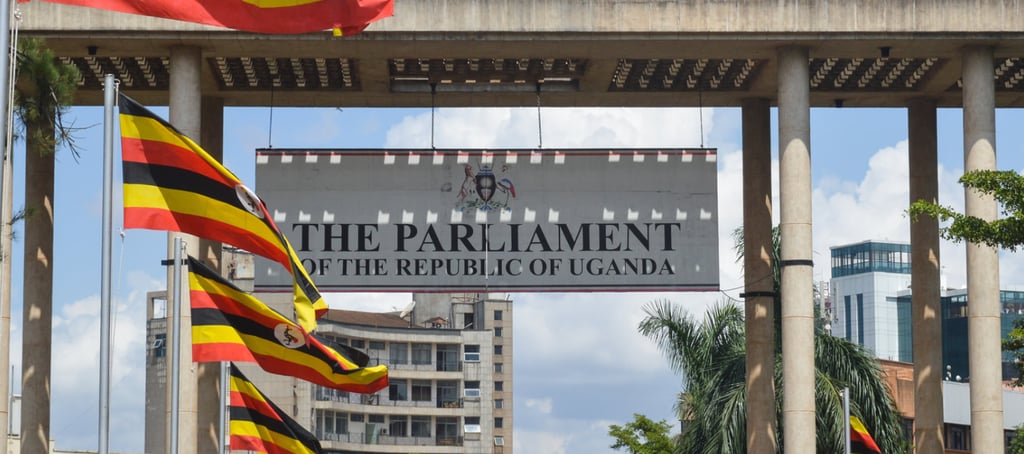
A quietly advancing piece of legislation in Kampala is sending ripples far beyond Uganda's borders — and for Ugandans living in Colorado, its implications could not be more personal.
The Protection of Sovereignty Bill, which follows resolutions made during the March 2026 NRM Caucus, is expected to be tabled in Uganda's Parliament in the coming legislative cycle. On the surface, the bill aims to regulate foreign influence in Uganda's political and civic life — a goal the government frames as a necessary defense of national sovereignty. But a closer and more careful reading of the draft reveals something far more sweeping, and far more personal for diaspora Ugandans.
The bill's definition of a "foreigner" is strikingly broad. It does not stop at non-citizens or foreign governments. It explicitly extends to Ugandans living abroad — meaning that a Colorado Ugandan sending money home, engaging with civic organizations, or even maintaining professional ties to international entities could, under this law, be classified as a foreign agent. That classification is not merely administrative. It carries serious legal consequences.
Under the proposed law, anyone designated as an "agent of a foreigner" involved in political or civic activity would be required to seek Cabinet-level approval before acting. For a Colorado Ugandan who advocates for better governance back home, supports a political candidate, or contributes to a community organization with international ties, this bill could effectively criminalize what has always been considered a natural expression of diaspora identity and responsibility.
The penalties are not symbolic. Corporate entities could face fines of up to Shs 4 billion, while individuals risk fines of up to Shs 2 billion, imprisonment of up to 20 years, or both. For a Colorado Ugandan who travels back home, maintains business interests in Uganda, or participates in civic advocacy, the legal exposure under this bill would be real and significant.
Then there is the question of remittances. Each year, Ugandans living abroad send an estimated $2.5 billion home — roughly Shs 9.3 trillion — sustaining families, funding small businesses, and supporting local economies. That figure represents approximately five percent of Uganda's GDP. For many Colorado Ugandan families, those monthly transfers are not optional — they are lifelines. Opposition Leader Joel Ssenyonyi has warned that if individuals fear legal uncertainty or heightened scrutiny, the flow of remittances could be disrupted with devastating downstream consequences.
Legal experts are equally alarmed. Human rights lawyer Sarah Bireete warns that individuals could be classified as foreign agents solely on the basis of their employment or residence status, potentially stripping them of constitutional protections. City lawyer Andrew Karamagi puts it bluntly: "Anybody working for an international firm, a telecom company, a hotel chain or construction firm that is international is designated by this law as a foreigner, regardless of the fact that you are Ugandan."
For Colorado Ugandans who have built careers, businesses, and lives in the United States while maintaining deep roots in Uganda, that framing is both alarming and deeply personal. It raises a fundamental question that former Ethics Minister Miria Matembe has voiced publicly — why should Ugandans living abroad require government clearance to engage with their own country, especially when their contributions often sustain the very families and communities that local opportunity has failed to support?
Civil society voices back home are equally troubled. Bob Kirenga of the National Coalition of Human Rights Defenders has described the bill as "the last nail in the coffin of the NGO sector" — a sector that Colorado Ugandans have long supported financially and organizationally.
As the bill moves toward Parliament, Colorado Ugandans would be wise to pay close attention. What is being debated in Kampala today could directly shape how freely they send money home, how openly they advocate for change, and how safely they engage with the country they never stopped calling home. The debate is only just beginning — but for the diaspora, the stakes are already deeply felt.
About UUACO:
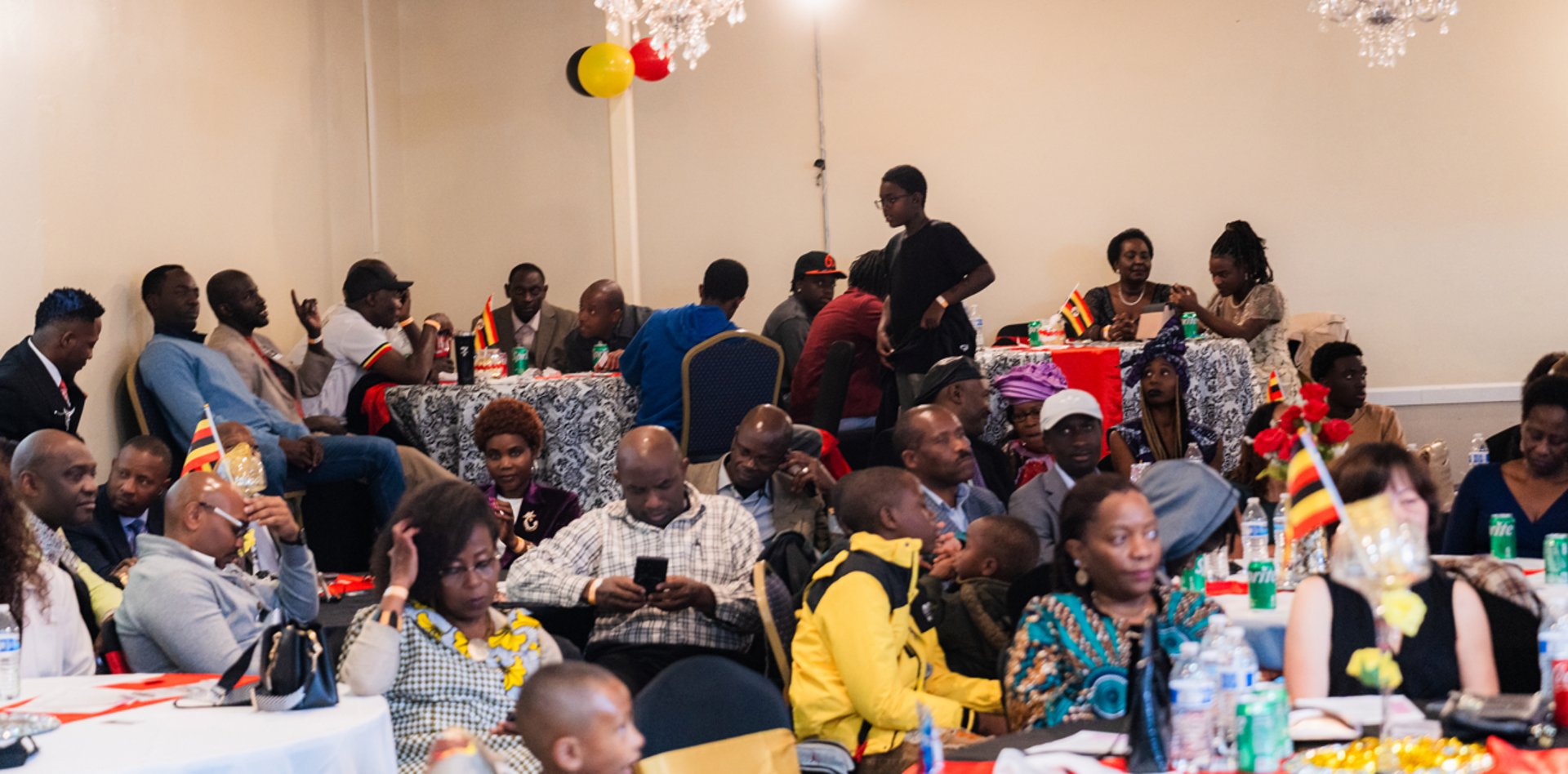
The United Ugandans Association of Colorado (UUACO) is a registered 501(c)(3) nonprofit organization (Federal Tax Identification Number: 33-4218081) dedicated to uniting and empowering Ugandans and friends of Uganda living in Colorado. Our Mission is to build, unify and promote the social, cultural, and economic advancement of all Ugandans residing in the State of Colorado. Our Vision is to be known as the most authentic, vibrant, united, and self-sustaining Ugandan Community in Colorado, and USA at large. Since 1999, we have served over 2500 Ugandans of all ages who call Colorado their home. And, UUACO is still on ground counting as it continues to bring Colorado Ugandans together around shared heritage, values, and aspirations, while building bridges with the broader Colorado community.
Email:
Phone:
info@uuaco.org
Call/Text/WhatsApp: 720-469-3288 (Official Line for UUACO)
© 2026. All rights reserved.